Pine floors bring a warm, rustic charm to any home. Their natural beauty, complete with distinctive knots and grain patterns, creates a cozy and inviting atmosphere. However, as a softwood, pine requires specific care to keep it looking its best. Proper cleaning not only maintains its appearance but also protects the wood from damage, ensuring your floors remain a stunning feature for years to come.
This guide will walk you through everything you need to know about how to clean pine floors effectively. We’ll cover the right tools, step-by-step methods, and long-term maintenance tips to preserve their natural luster.
Why Proper Cleaning is Crucial for Pine Floors
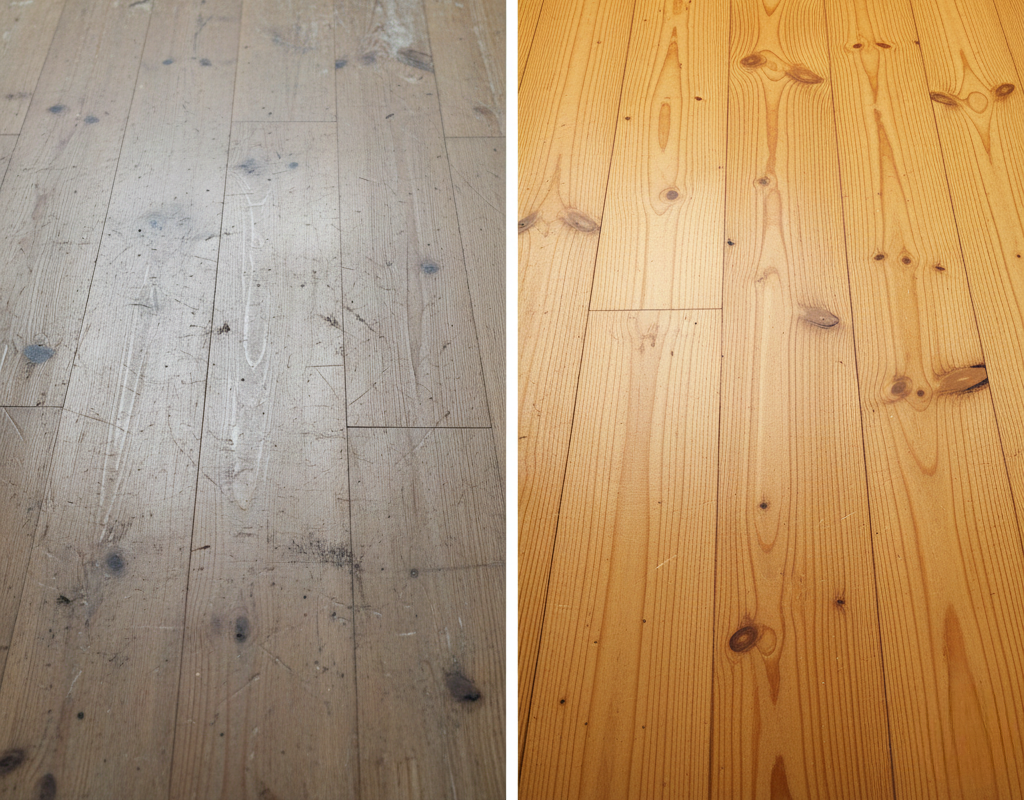
Pine is softer than hardwoods like oak or maple, making it more susceptible to scratches, dents, and water damage. Aggressive cleaning methods, harsh chemicals, or excessive moisture can strip the protective finish, dull the wood, and even cause it to warp over time.
By learning the correct cleaning techniques, you can:
- Prevent Scratches: Gently removing dirt and grit stops them from being ground into the floor by foot traffic.
- Avoid Water Damage: Using minimal moisture prevents the wood from swelling, warping, or becoming discolored.
- Preserve the Finish: Using the right cleaners protects the polyurethane or wax seal that guards the wood.
- Maintain Shine: Regular, proper cleaning keeps your floors looking bright and beautiful.
Tools and Materials for Cleaning Pine Floors
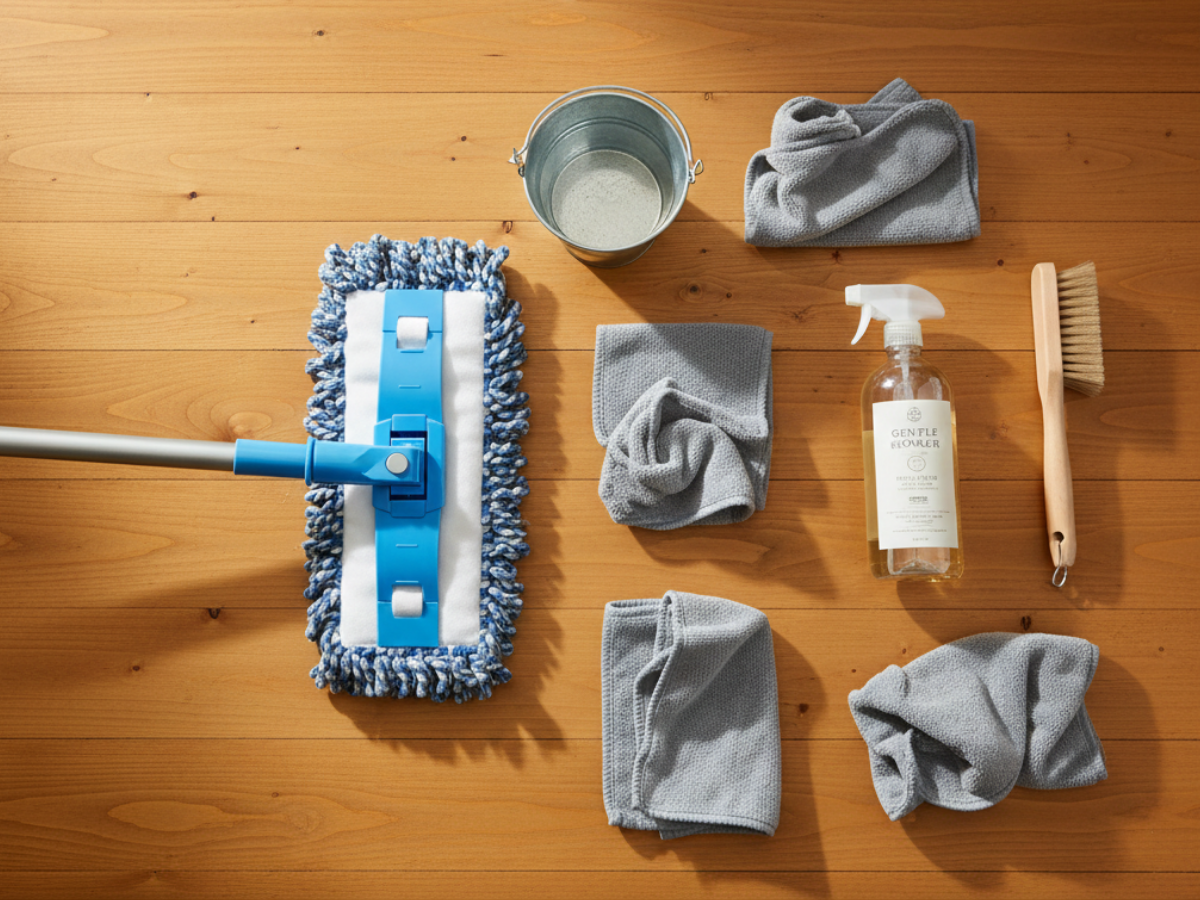
Before you start, gathering the right supplies will make the job easier and safer for your floors. You don’t need a lot of complicated equipment, just a few key items.
Essential Cleaning Tools:
- Soft-Bristle Broom or Dust Mop: Your first line of defense against daily dust and debris. A microfiber dust mop is excellent at trapping fine particles.
- Vacuum with a Hard Floor Attachment: Use a vacuum with soft bristles on its floor head. Avoid using a vacuum with a beater bar or rotating brush, as this can scratch the pine.
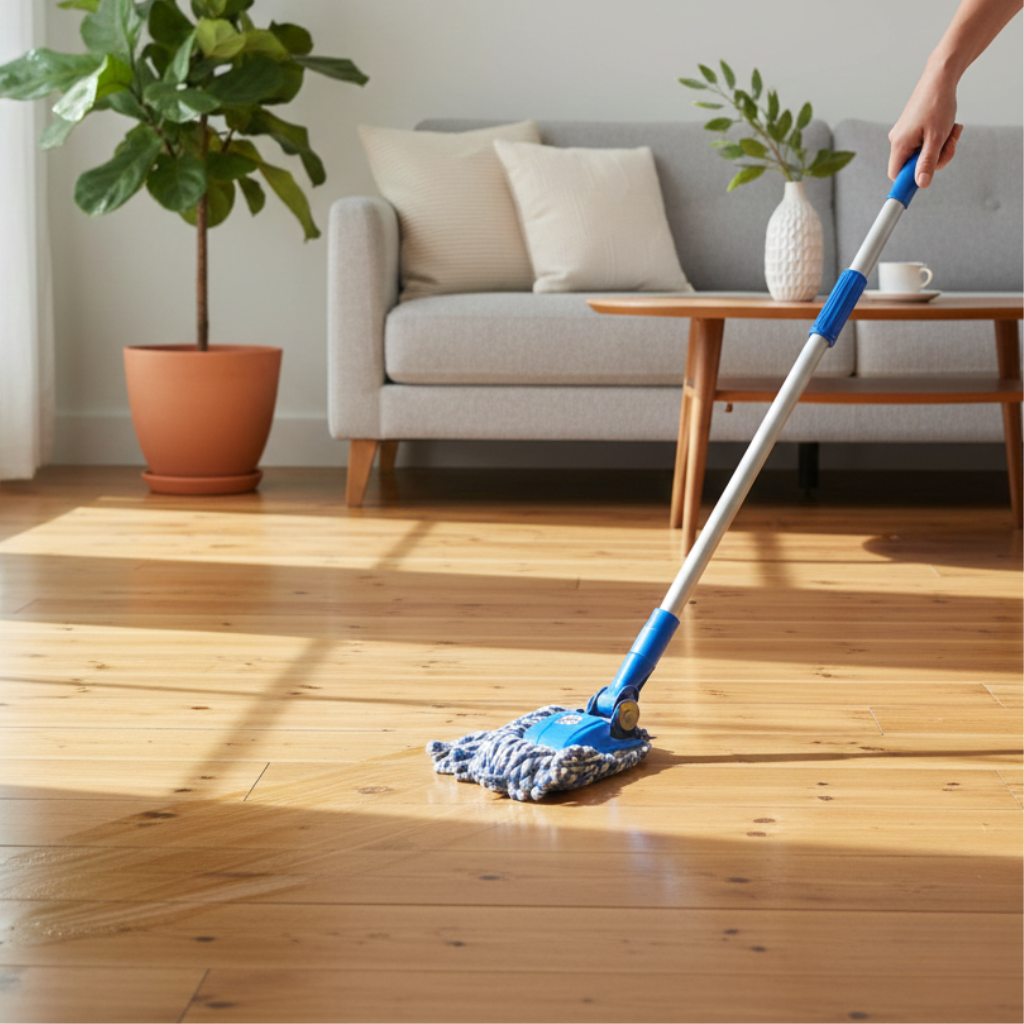
- Microfiber Mop and Bucket: A microfiber mop is ideal because it requires less water and cleans effectively.
- Soft Cloths: For spot cleaning and drying any damp areas.
Recommended Cleaning Solutions:
- pH-Neutral Wood Floor Cleaner: This is the safest and most effective option. It cleans without damaging the wood’s finish.
- DIY Vinegar Solution (Use with Caution): A mixture of 1/4 cup of white vinegar in a gallon of warm water can be used occasionally. However, vinegar is acidic and can dull some finishes if used too frequently or in high concentrations.
- Castile Soap Solution: A few drops of castile soap in a gallon of warm water create a gentle, effective cleaner.
Step-by-Step Guide to Cleaning Your Pine Floors
Follow these steps for a routine clean that will leave your pine floors sparkling without causing harm.
Step 1: Remove Loose Dirt and Debris
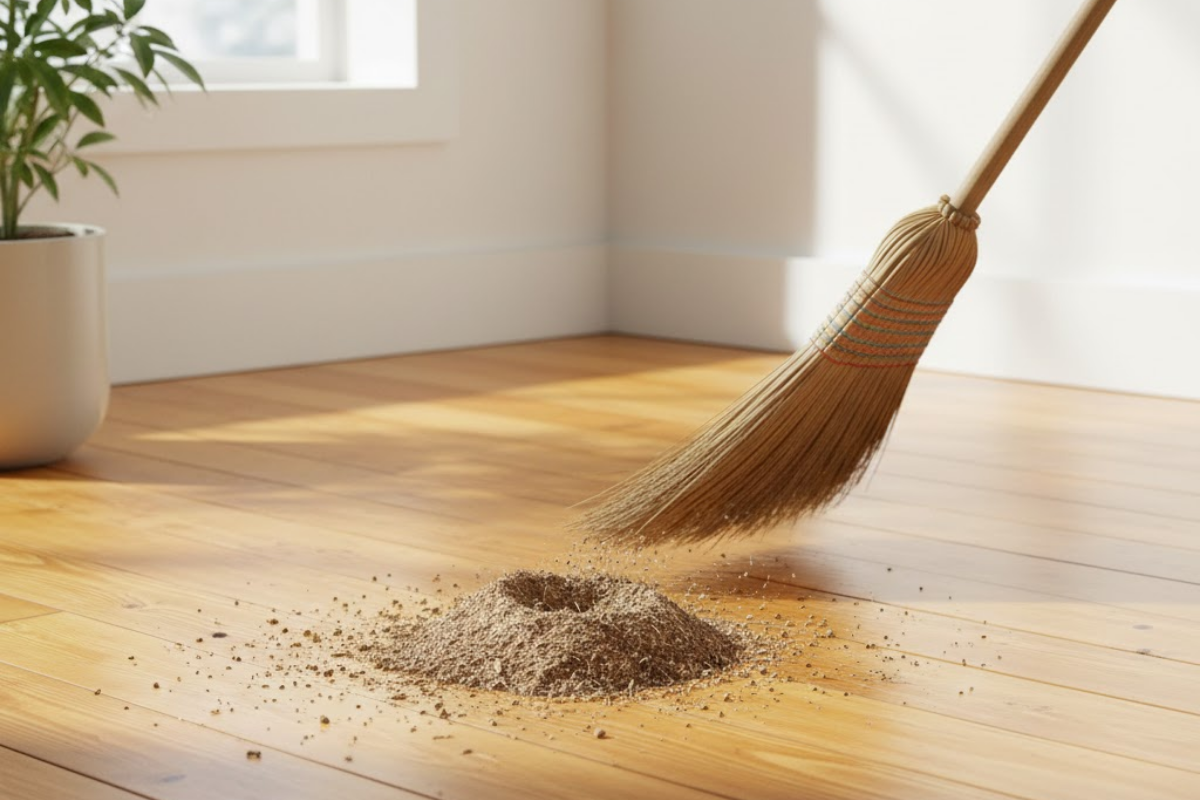
First, clear the floor of all loose particles. This is a critical step because mopping a gritty floor will just push the dirt around and can scratch the surface.
- Sweep or Dust Mop: Go over the entire floor with a soft-bristle broom or a microfiber dust mop. Pay special attention to corners and areas under furniture where dust tends to accumulate.
- Vacuum Carefully: Alternatively, use a vacuum cleaner with the beater bar turned off. Use the soft brush attachment to get into tight spaces and along baseboards.
Step 2: Prepare Your Mopping Solution
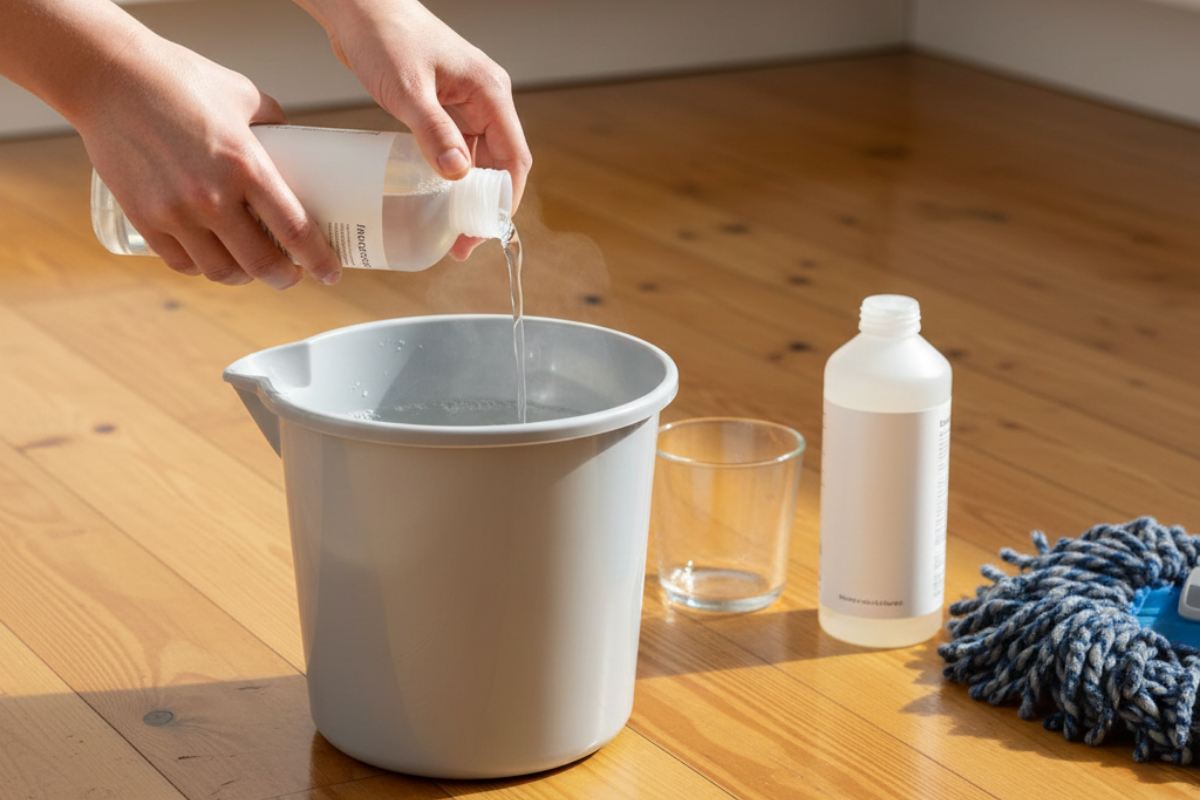
Less is more when it comes to water and cleaning solutions on pine floors.
- Choose Your Cleaner: If using a commercial pH-neutral cleaner, follow the dilution instructions on the bottle. For a DIY solution, mix your chosen ingredients (vinegar or castile soap) with warm water in a bucket.
- Wring Out the Mop Thoroughly: Submerge your microfiber mop head in the solution and then wring it out until it is just damp, not dripping. Excess water is the enemy of wood floors.
Step 3: Mop the Floor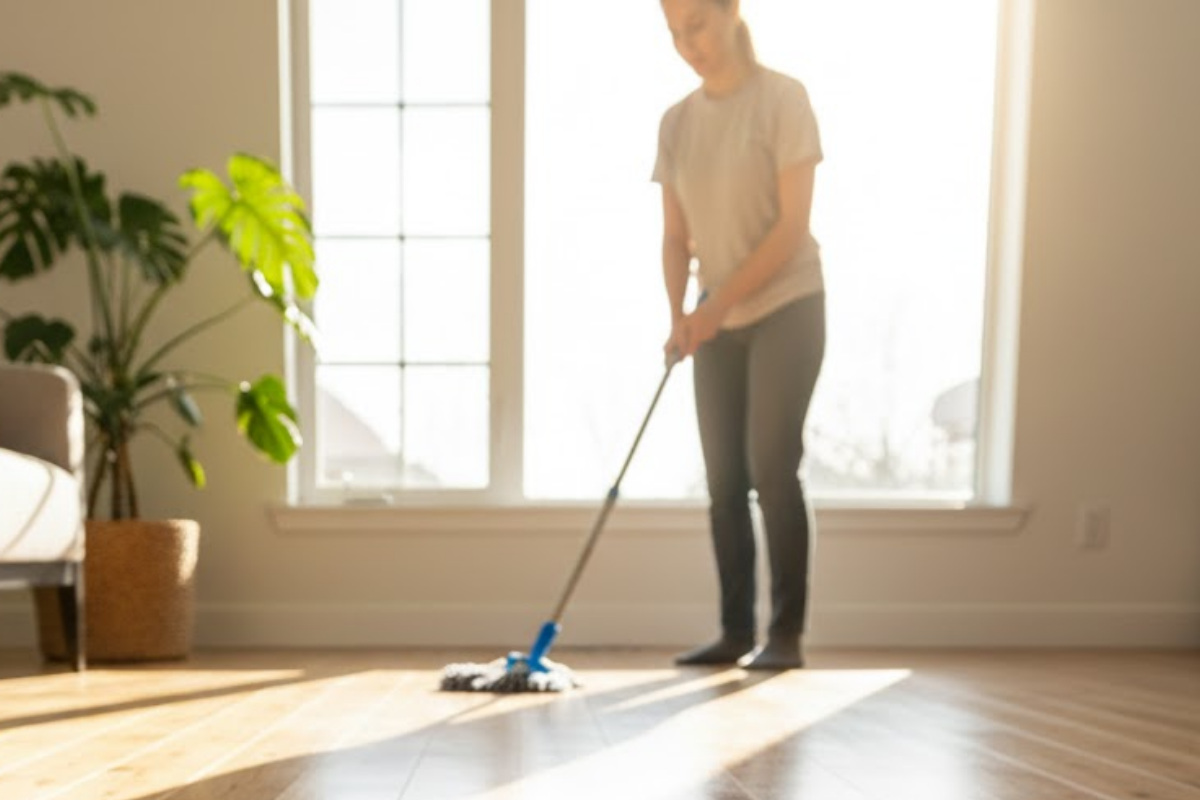
With your damp mop ready, you can now clean the floor.
- Work in Sections: Start at the farthest corner of the room and work your way toward the exit so you don’t have to walk over the freshly cleaned areas.
- Mop with the Grain: Follow the direction of the wood grain as you mop. This helps clean within the natural lines of the wood and reduces the appearance of streaks.
- Rinse the Mop Head Frequently: To avoid spreading dirty water, rinse and wring out the mop head after cleaning each small section.
Step 4: Dry the Floor
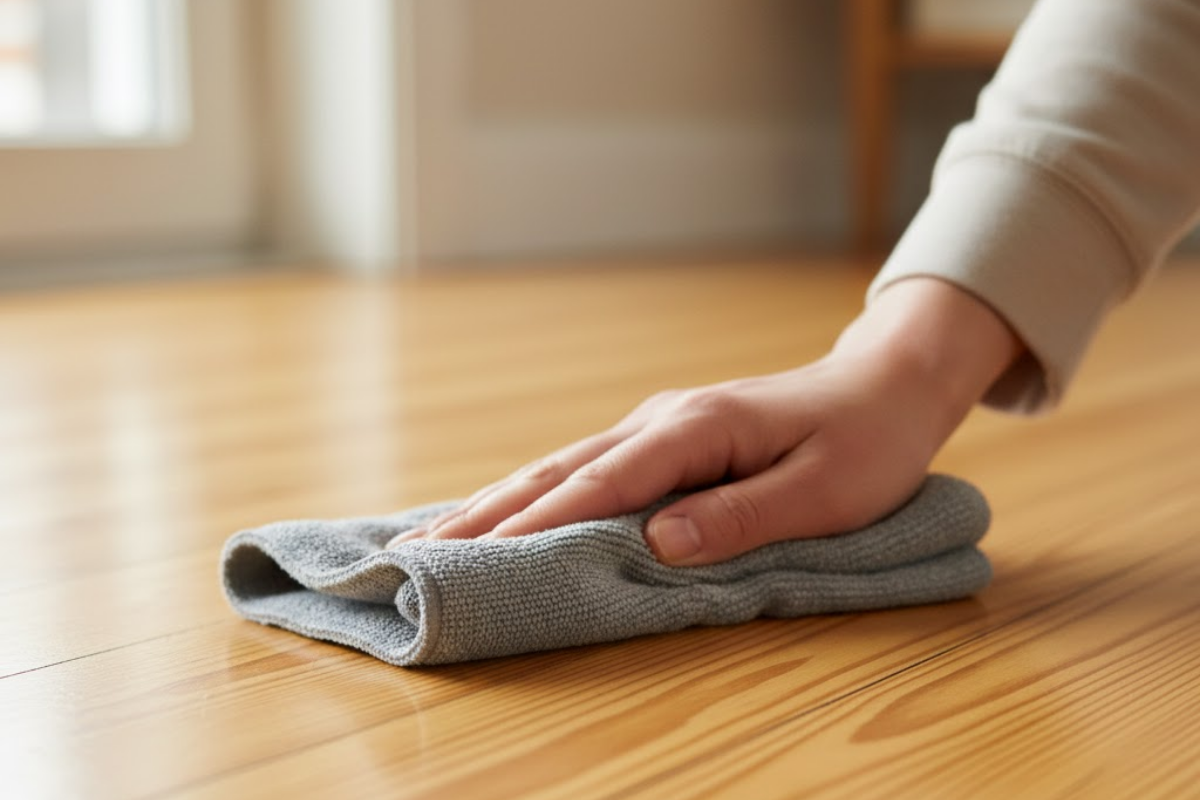
Even if you used a barely damp mop, it’s a good practice to ensure no moisture is left sitting on the surface.
- Use a Soft, Dry Cloth: Go over the floor with a clean, dry microfiber cloth to buff away any remaining dampness. You can attach it to your mop head or do this by hand.
- Ensure Good Ventilation: Open windows or turn on a ceiling fan to speed up the drying process. Your floor should be completely dry within a few minutes.
Tips for Maintaining Pine Floors
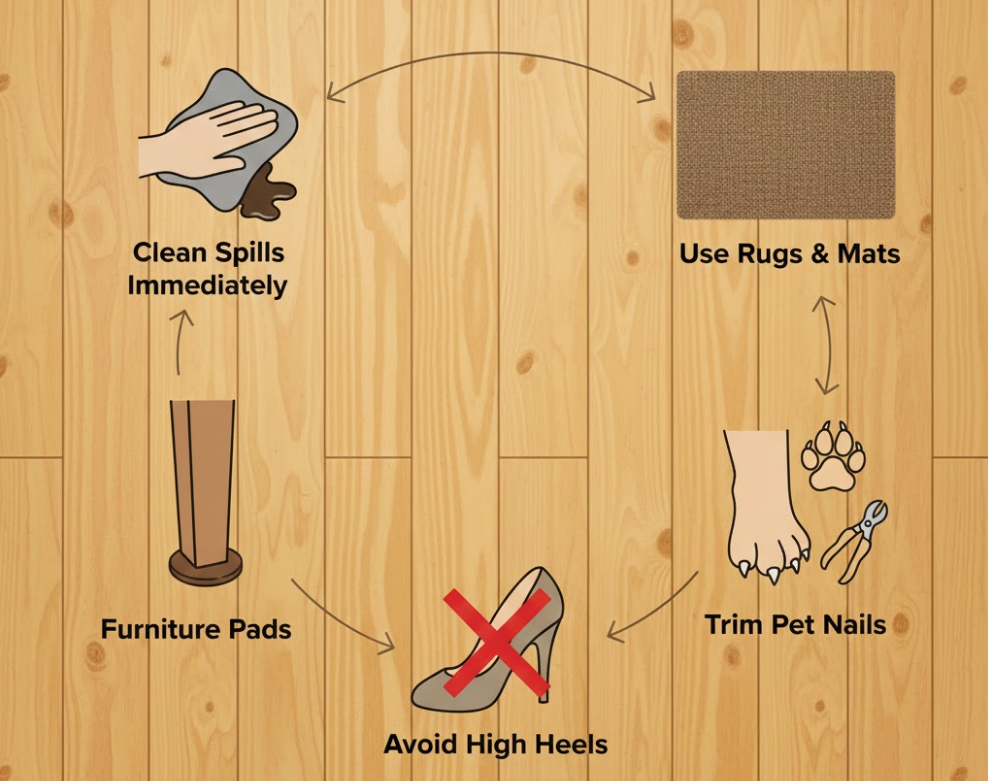
Consistent care will keep your pine floors in excellent condition for the long haul.
- Clean Spills Immediately: Pine absorbs liquid quickly. Blot up any spills with a clean cloth as soon as they happen to prevent staining and water damage.
- Use Rugs and Mats: Place doormats at all entrances to trap dirt and moisture from shoes. Use area rugs in high-traffic zones like hallways and living areas.
- Apply Furniture Pads: Stick felt pads on the bottom of all furniture legs to prevent scratches and dents when chairs, tables, or sofas are moved.
- Keep Pet Nails Trimmed: If you have pets, keeping their nails trimmed will minimize scratches.
- Avoid High Heels: Sharp heels can easily dent soft pinewood. Consider having a “no shoes” or “soft shoes only” policy in the house.
Common Mistakes to Avoid
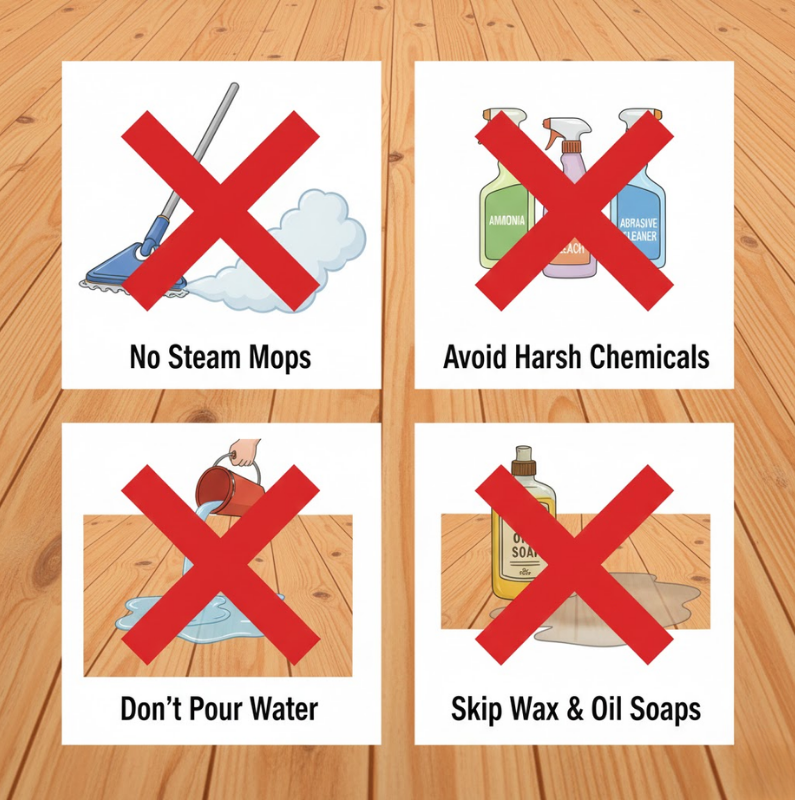
Knowing what not to do is just as important as knowing what to do.
- Never Use a Steam Mop: The high heat and moisture from a steam mop can penetrate the finish and cause the wood to swell, cup, and warp.
- Avoid Harsh Chemicals: Stay away from ammonia, bleach, abrasive cleaners, or all-purpose cleaners that are not specifically designed for wood. These can strip the finish and discolor the pine.
- Don’t Let Water Pool: Never pour water or cleaning solution directly onto the floor. Always apply it with a well-wrung mop.
- Skip Wax and Oil Soaps: Unless your pine floors have a specific oiled or waxed finish, avoid products like oil soap. They can leave a cloudy residue that is difficult to remove and can make the floor slippery.
Eco-Friendly Cleaning Options
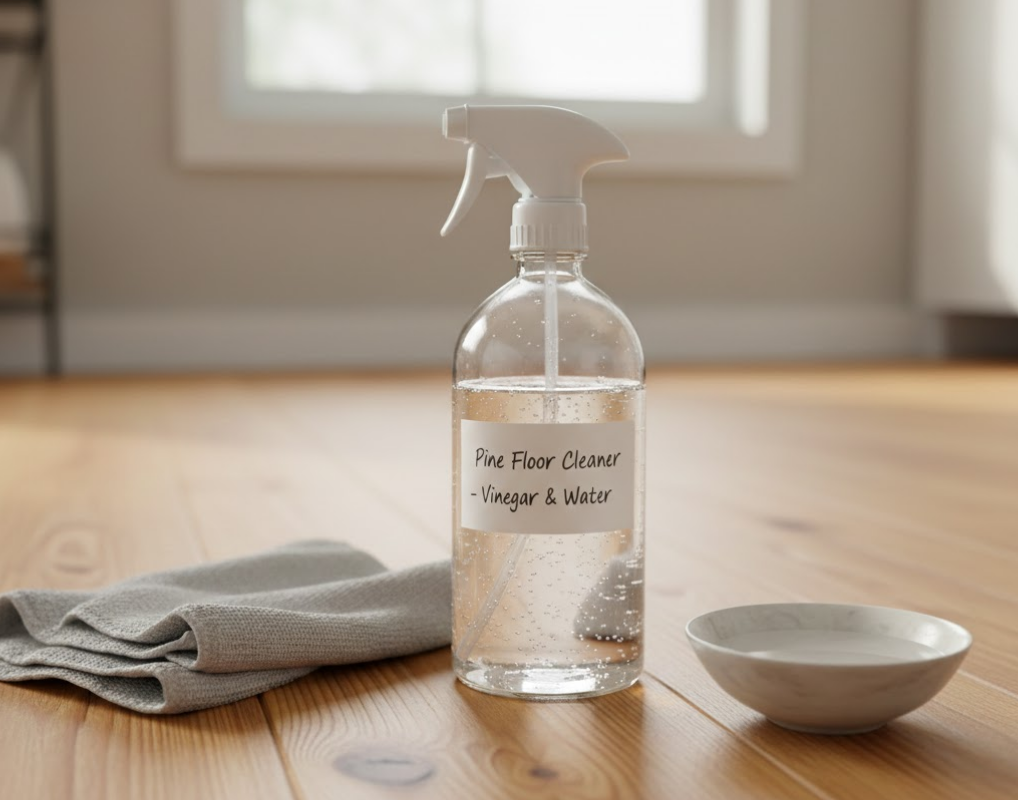
For those who prefer a greener approach, several natural options work well for cleaning pine floors.
- Vinegar and Water: As mentioned, a heavily diluted white vinegar solution is a popular eco-friendly choice. Remember to use it sparingly to protect your floor’s finish.
- Castile Soap: This vegetable-based soap is gentle, biodegradable, and effective. A small amount goes a long way.
- Essential Oils: Add a few drops of an essential oil like lemon, pine, or lavender to your cleaning solution for a fresh scent. Some oils, like tea tree oil, also have mild antibacterial properties.
Conclusion
By following these guidelines, you can confidently clean and care for your pine floors, preserving their unique character and ensuring they remain a beautiful foundation for your home’s decor for many years.