Manufactured wood floors bring warmth and style to any home, but keeping them looking their best requires a specific cleaning approach. Unlike solid hardwood, these floors have a unique construction that can be damaged by the wrong methods or products. This guide will walk you through everything you need to know about how to clean manufactured wood floors safely and effectively, ensuring they stay beautiful for years to come.
We’ll cover the essential tools, a step-by-step cleaning process, long-term maintenance tips, and common mistakes to avoid.
What Are Manufactured Wood Floors?
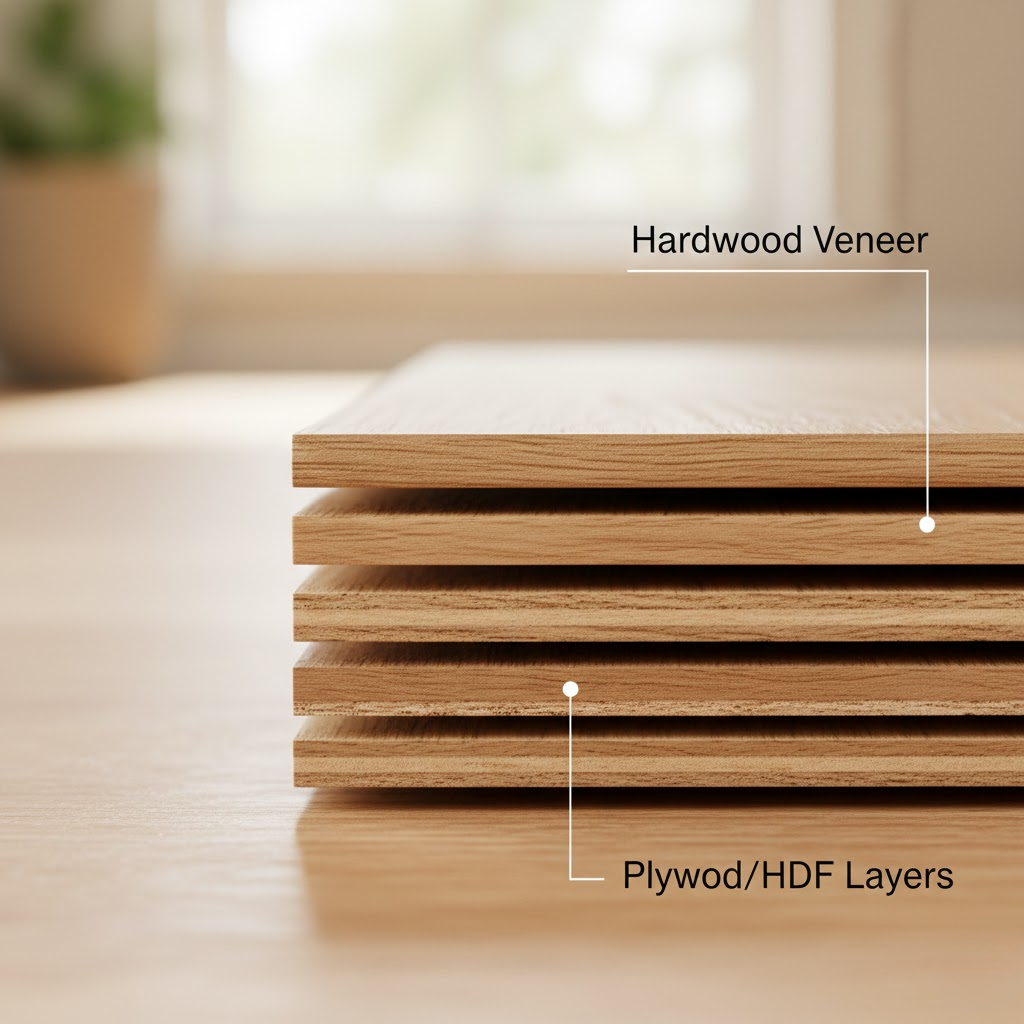
Before we dive into cleaning, it helps to understand what you’re working with. Manufactured wood, also known as engineered wood, is made of multiple layers. The top layer is a thin veneer of real hardwood, which gives it that authentic wood appearance. Beneath this veneer are several layers of plywood or high-density fiberboard (HDF) bonded together in a cross grain pattern.
This construction makes manufactured wood floors more stable and less susceptible to warping from changes in temperature and humidity compared to solid hardwood. However, that thin top layer of real wood means you have to be careful. You can’t sand and refinish it multiple times like solid wood, so preventing damage is key.
Why Proper Cleaning Is Important
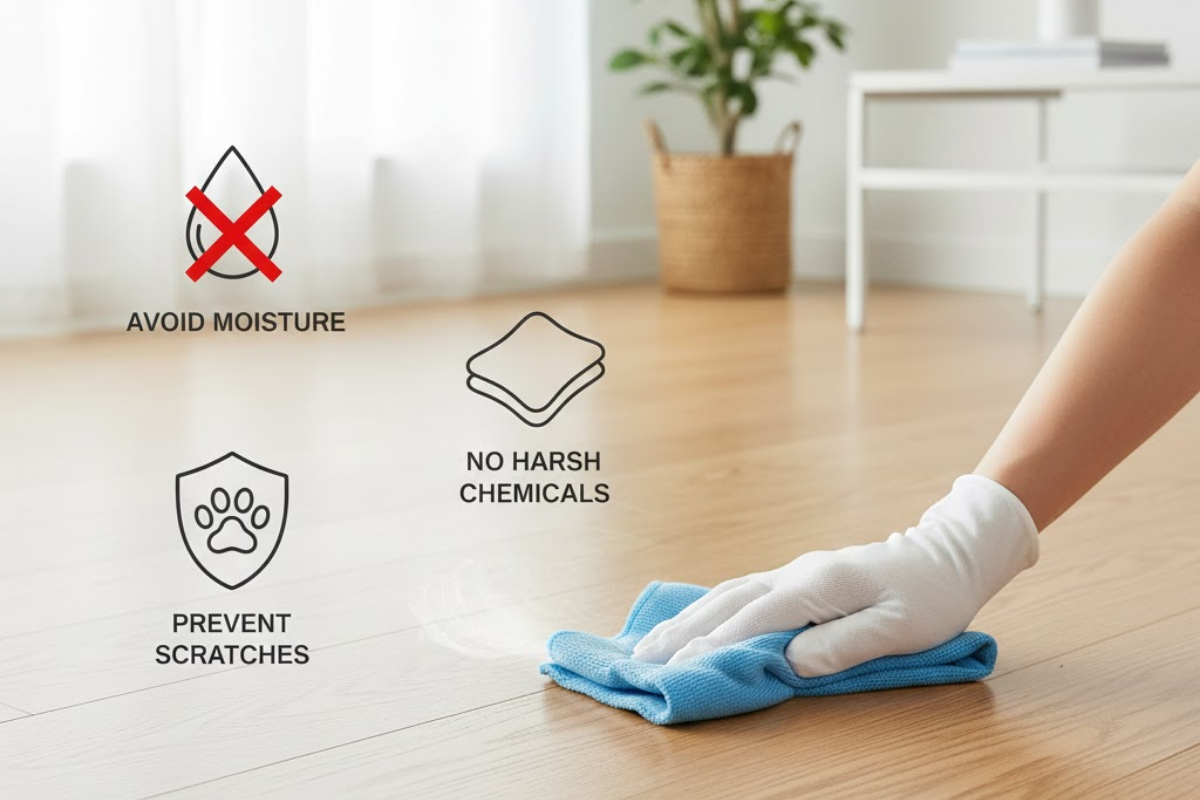
Using the right cleaning techniques is crucial for manufactured wood. The wrong approach can cause serious, and often irreversible, damage.
- Prevents Water Damage: Excessive moisture is the enemy of manufactured wood. Water can seep between the planks and into the core layers, causing them to swell, warp, or separate.
- Avoids Scratches: Abrasive cleaners or harsh scrubbing can scratch the top wood veneer, dulling the finish and making the floor look worn.
- Protects the Finish: The protective topcoat on your floor is what gives it shine and durability. Harsh chemicals can strip this finish, leaving the wood vulnerable to stains and damage.
- Maintains Value: Well-maintained floors enhance your home’s appearance and value. Proper care ensures they remain a beautiful feature rather than an eyesore.
Tools and Materials You’ll Need
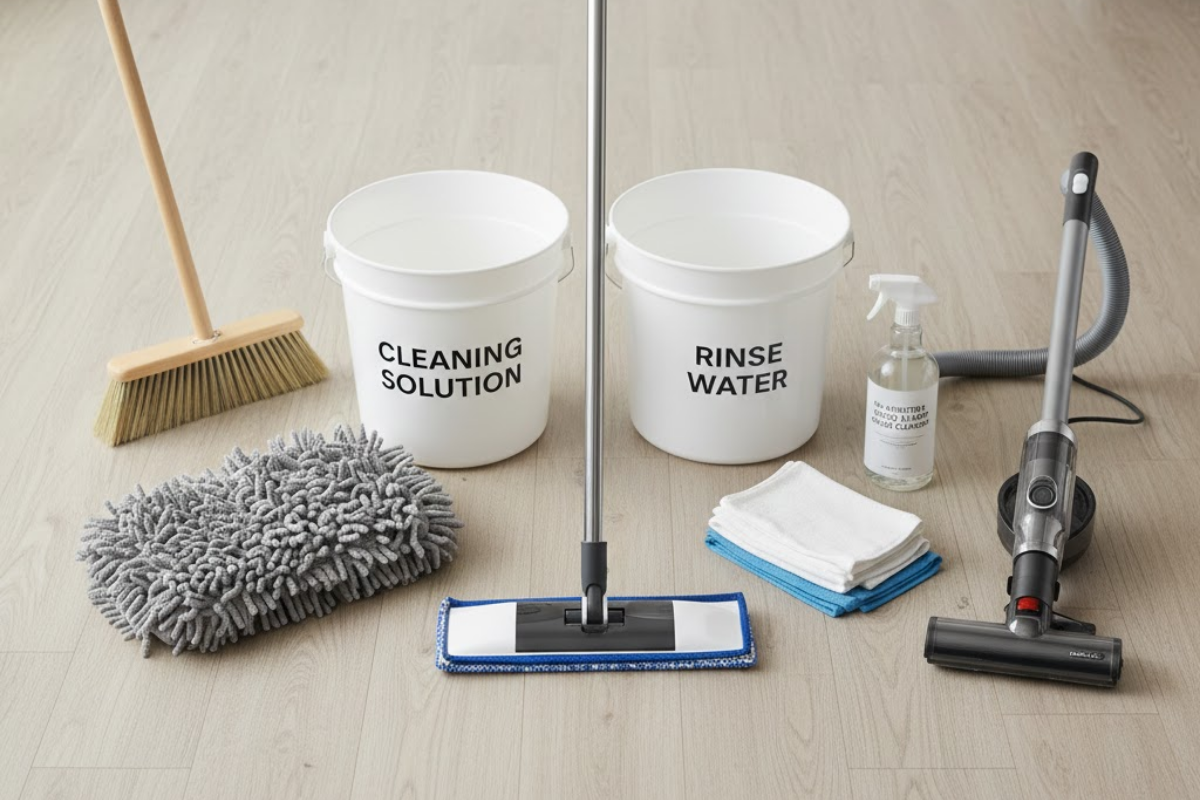
Gathering the right tools will make the job faster, easier, and safer for your floors.
- Soft-Bristle Broom or Dust Mop: For daily sweeping to remove dust, dirt, and pet hair.
- Vacuum Cleaner (with care): Use a vacuum with a hard floor setting or a brush attachment with soft bristles. Turn off the beater bar or rotating brush, as it can scratch the surface.
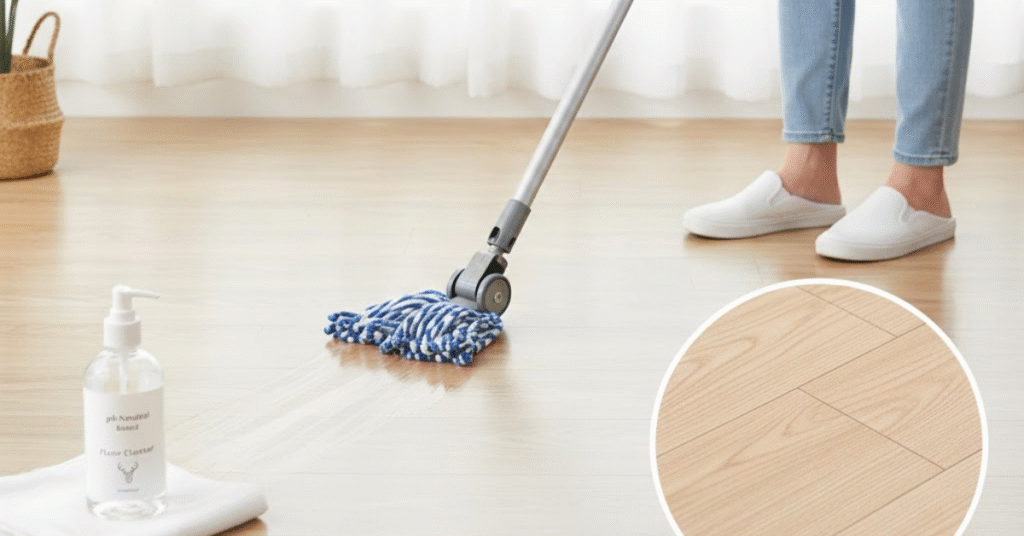
- Microfiber Mop: A flat-head microfiber mop is perfect for both dry and damp mopping.
- Two Buckets: One for the cleaning solution and one for clean rinse water.
- pH-Neutral Floor Cleaner: Choose a cleaner specifically formulated for hardwood or manufactured wood floors. Avoid acidic or alkaline solutions like vinegar or ammonia.
- Soft Cloths or Towels: For spot cleaning and immediately drying any wet areas.
Step-by-Step Guide to Cleaning Your Floors
Follow these steps for a routine clean that will keep your floors in top condition.
Step 1: Remove Loose Dirt and Debris
First, clear the floor of all loose particles. This is an important step because mopping a gritty floor will just push the dirt around, potentially scratching the surface.
- Use a soft-bristle broom or a microfiber dust mop to sweep up dust, hair, and other debris.
- Alternatively, use a vacuum on the hard floor setting. Remember to disengage the beater bar to prevent scratches. Pay close attention to corners and edges where dust tends to gather.
Step 2: Prepare Your Cleaning Solution
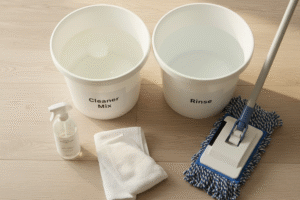
Less is more when it comes to cleaning solutions.
- Fill one bucket with warm water and the recommended amount of pH-neutral wood floor cleaner. Always follow the manufacturer’s instructions on the bottle for the correct water-to-cleaner ratio.
- Fill the second bucket with clean, plain water for rinsing your mop.
Step 3: Damp Mop the Floor
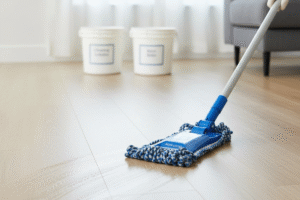
The key here is “damp,” not “wet.”
- Dip your microfiber mop into the cleaning solution and wring it out thoroughly. The mop head should feel slightly damp to the touch, not dripping wet.
- Mop the floor in the direction of the wood grain. Work in small, manageable sections.
- After cleaning a section, rinse the mop head in the bucket of clean water and wring it out completely before dipping it back into the cleaning solution for the next section. This prevents you from spreading dirty water across the floor.
Step 4: Dry the Floor Immediately
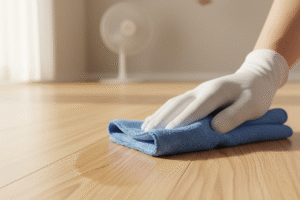
Never let water sit on your manufactured wood floors.
- If the floor appears visibly wet after mopping, use a clean, dry microfiber cloth or towel to dry it immediately.
- You can also improve air circulation by turning on a ceiling fan or opening a window to help the floor dry faster. The surface should be completely dry within a minute or two.
Tips for Long-Term Maintenance
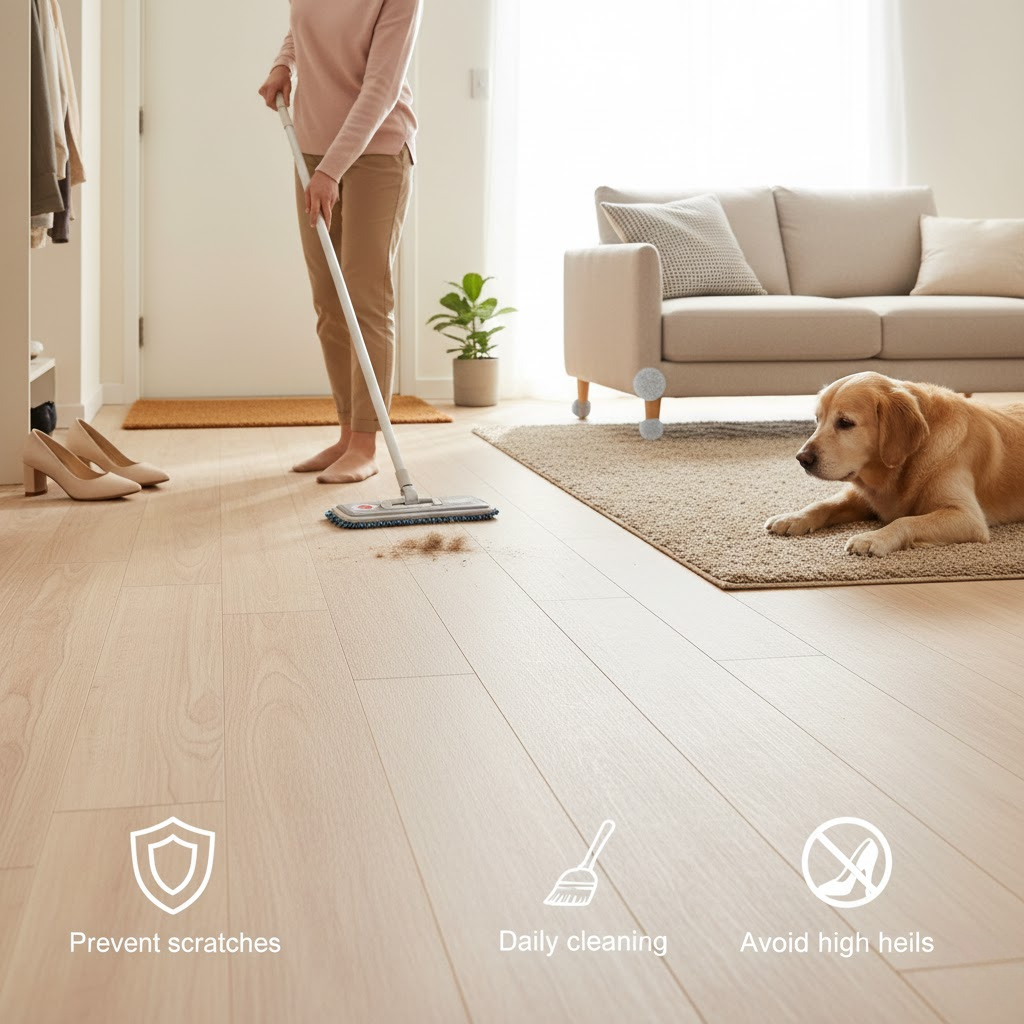
Consistent care is the best way to preserve your manufactured wood floors.
- Sweep or Vacuum Regularly: Daily or every other day, remove dirt and grit to prevent fine scratches.
- Clean Spills Immediately: Use a soft, absorbent cloth to blot up spills as soon as they happen.
- Use Furniture Pads: Place felt pads under the legs of all furniture to prevent scratches when items are moved.
- Use Doormats and Rugs: Place mats at all entrances to trap dirt, water, and sand from outside. Use area rugs in high-traffic zones like hallways and living areas.
- Trim Pet Nails: Keep your pets’ nails trimmed to prevent them from scratching the floor.
- Avoid High Heels: Sharp stilettos can dent the wood veneer. Consider removing them at the door.
Common Mistakes to Avoid
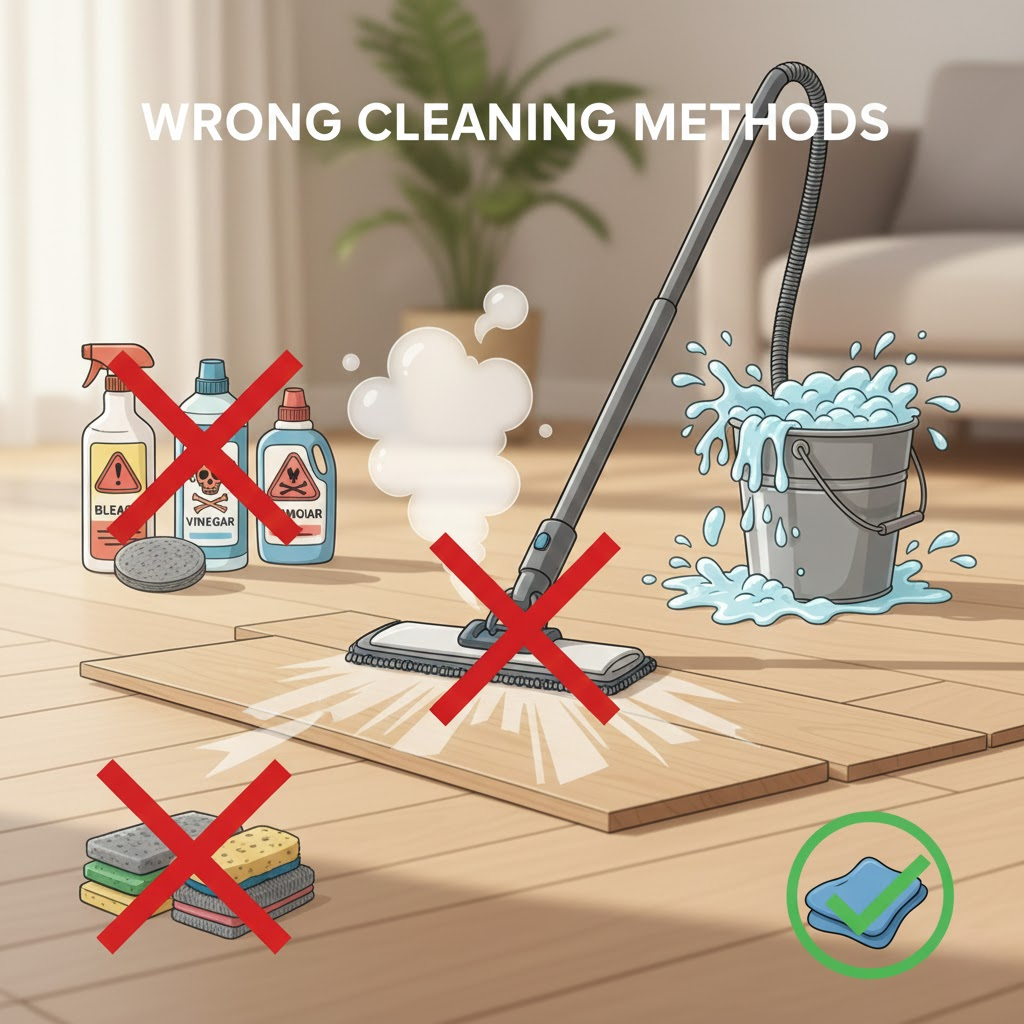
Steer clear of these common errors to protect your investment.
- Never Use a Steam Cleaner: The high heat and moisture from a steam mop can penetrate the seams of the planks and damage the core layers.
- Avoid Using Too Much Water: Soaking the floor is a fast track to warping and swelling. Your mop should always be well wrung-out.
- Don’t Use Harsh Chemicals: Bleach, ammonia, vinegar, wax-based cleaners, and oil soaps can damage the finish. Stick to pH-neutral cleaners designed for wood.
- Stay Away from Abrasive Tools: Steel wool, scouring pads, and hard-bristle brushes will scratch the surface.
Frequently Asked Questions (FAQ)
Can I use vinegar and water to clean my manufactured wood floors?
It is not recommended. Vinegar is acidic and can break down the protective finish on your floors over time, leaving them looking dull and more susceptible to damage.
How often should I deep clean my manufactured wood floors?
For most households, a deep clean with a damp mop is only necessary every one to two months. Daily sweeping or vacuuming is more important for routine maintenance. High-traffic areas may need more frequent attention.
What do I do if my floor gets a scratch?
For minor, superficial scratches, you can often use a stain-filled marker or a wax repair stick that matches your floor’s color. For deeper gouges, you may need to consult a professional or replace the damaged plank.