Having a dog brings so much joy into a home. They offer endless cuddles, goofy antics, and loyal companionship. But even the best-trained pups can have accidents. When that little puddle appears on your beautiful wood floors, it’s easy to feel a moment of panic. Don’t worry, we’re here to help.
Cleaning dog urine from wood requires quick action and the right techniques to prevent lasting damage. This guide will walk you through everything you need to know, from immediate cleanup to preventing future messes.
Why Dog Urine Is Bad News for Wood Floors
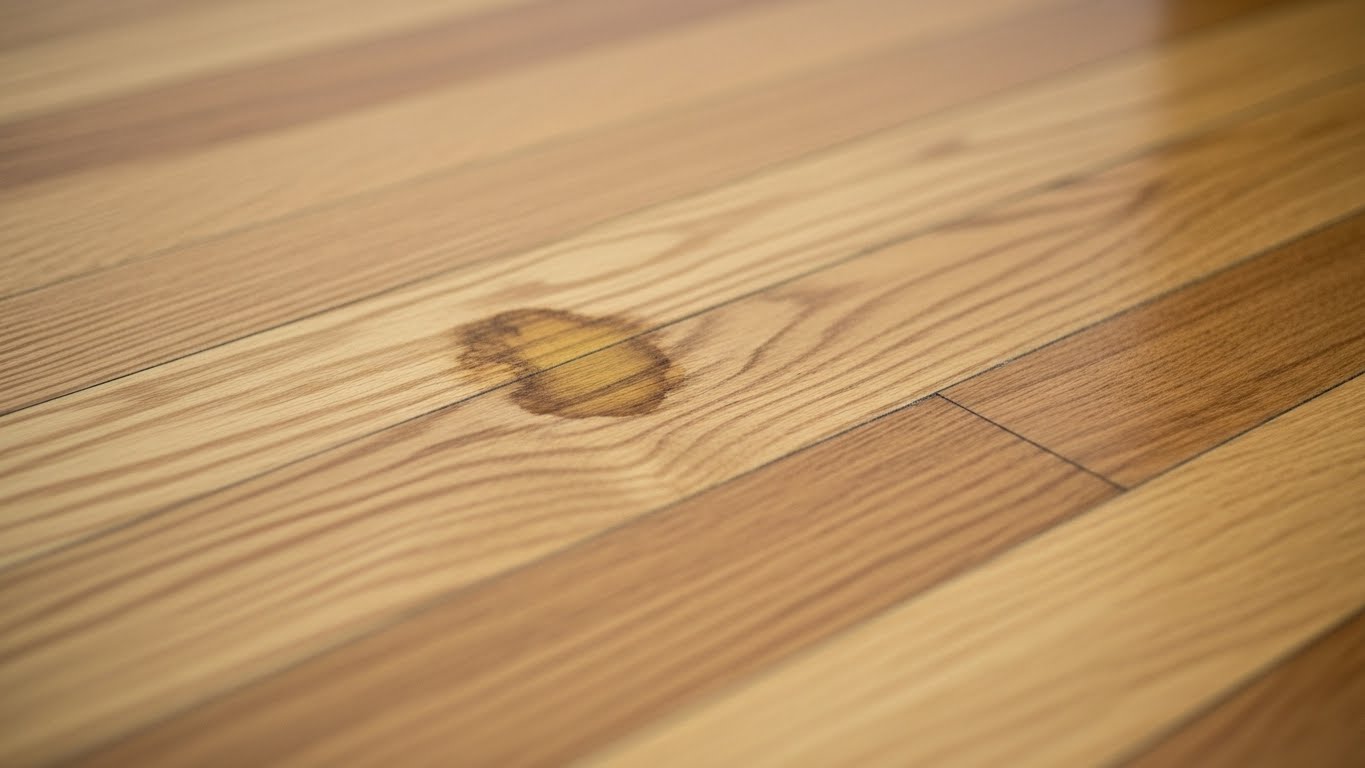
Before we dive into the cleaning process, it helps to understand why dog urine is so tough on wood. Unlike a simple water spill, urine contains uric acid, which is corrosive. If left to sit, this acid can eat away at your floor’s protective finish and even seep into the wood itself.
Here’s what you’re up against:
- Staining: The ammonia in urine can cause dark, unsightly stains that are difficult to remove.
- Odor: The uric acid crystals embed themselves in the wood fibers. Even after the spot looks clean, these crystals can release a strong ammonia smell, especially in humid conditions. This lingering scent can also encourage your dog to mark the same spot again.
- Warping: The moisture from the urine can cause the wood planks to swell, cup, or buckle over time.
The key takeaway? Time is not on your side. The faster you act, the better your chances of avoiding permanent damage.
Immediate Steps for a Fresh Accident
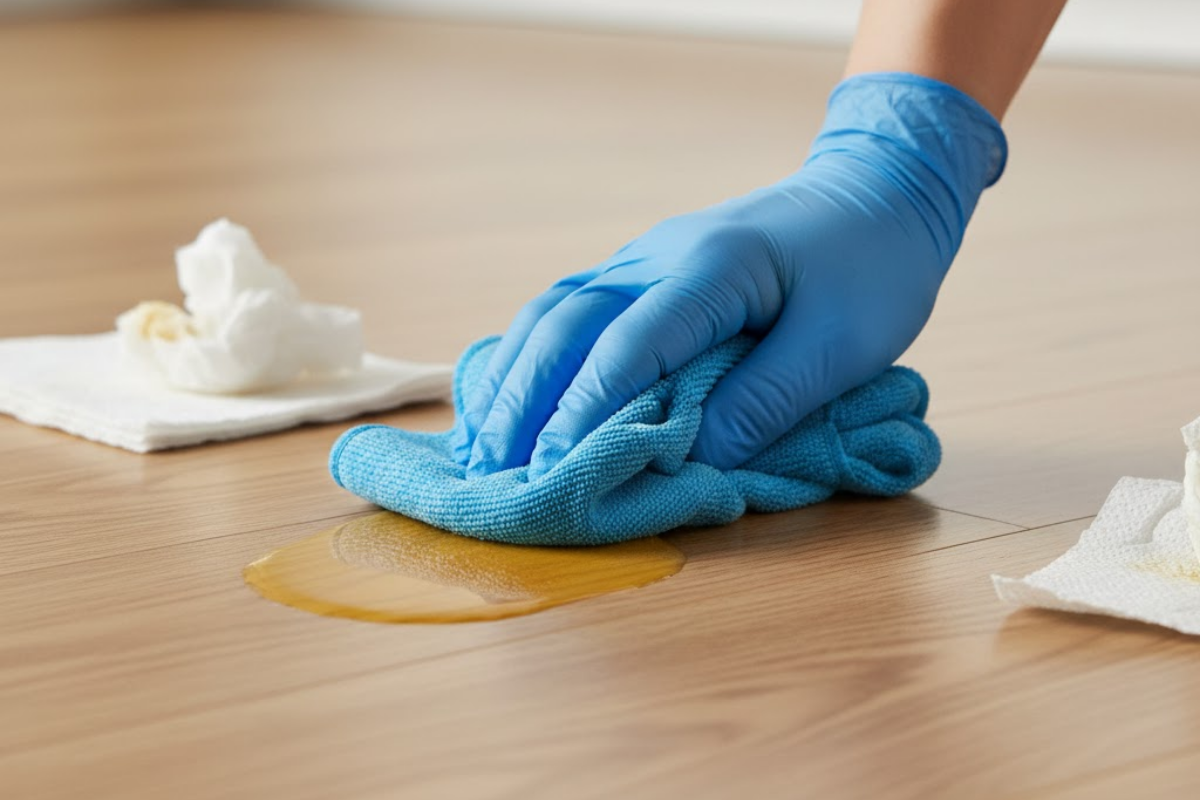
Did you just catch your pup in the act? Take a deep breath and follow these steps immediately. Acting fast can make all the difference.
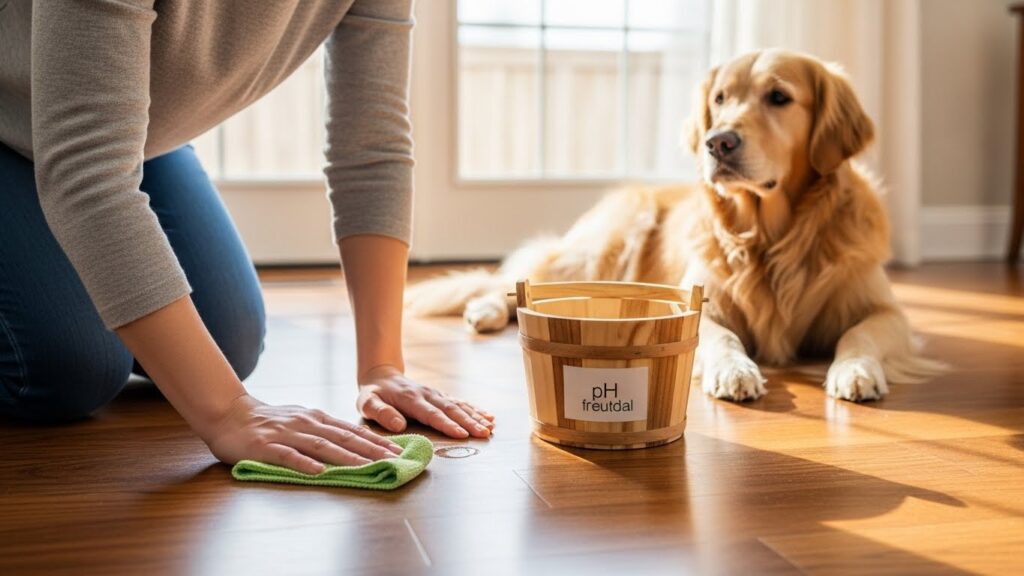
- Blot, Don’t Rub: Grab a handful of paper towels or a clean, absorbent microfiber cloth. Press firmly on the puddle to soak up as much liquid as possible. Avoid rubbing, as this can push the urine deeper into the wood grain and spread it over a larger area.
- Keep Blotting: Replace the soaked towels with fresh ones and continue blotting until no more moisture is being absorbed.
- Prepare for Cleaning: Once the excess liquid is gone, it’s time to clean and neutralize the spot. Even if the area looks clean, the acid and bacteria are still there.
Effective Cleaning Methods for Wood Floors
Now that you’ve handled the immediate spill, it’s time to tackle the remaining residue to prevent stains and odors. You have a few options, ranging from commercial products to DIY solutions.
Using an Enzymatic Cleaner

For tackling pet stains, enzymatic cleaners are your best friend. These products contain beneficial bacteria and enzymes that physically break down the uric acid and odor-causing bacteria in the urine. This process eliminates the stain and the smell at their source, rather than just masking them.
How to Use an Enzymatic Cleaner:
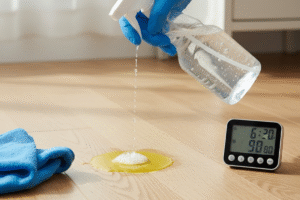
- Choose a cleaner specifically designed for use on hardwood floors. Always test the product on a small, hidden area of your floor first (like under a sofa or in a closet) to ensure it doesn’t damage the finish.
- After blotting the fresh accident, generously spray the enzymatic cleaner on the affected area.
- Let the cleaner sit for the time recommended by the manufacturer, which could be anywhere from 10 minutes to several hours. This gives the enzymes time to work their magic.
- Once the time is up, use a clean cloth to wipe away the excess cleaner.
- Allow the area to air dry completely.
How to Tackle Old, Set-In Stains

What if you discover an old, dried stain? While more challenging, it’s not a lost cause.
- Clean the Surface: Start by cleaning the area with a wood-safe cleaner to remove any surface dirt.
- Apply an Enzymatic Cleaner: For old stains, you may need to apply the enzymatic cleaner more than once. Saturate the area and cover it with plastic wrap to keep it moist, allowing the enzymes to work for an extended period (sometimes up to 24 hours).
- Light Sanding (For Stubborn Stains): If the stain remains after a few treatments, it may have penetrated the wood’s finish. For very dark, set-in stains, you might need to lightly sand the area with fine-grit sandpaper, clean it, and then reapply a matching wood finish. This is an advanced step, so you may want to consult a professional if you’re not comfortable doing it yourself.
Natural DIY Cleaning Solutions
If you prefer a more natural approach or need a solution in a pinch, your kitchen pantry might hold the answer. Remember to always test these solutions on an inconspicuous spot first.
Baking Soda Paste
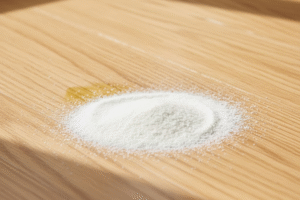
Baking soda is a fantastic natural odor absorber.
- After blotting the urine, sprinkle a generous amount of baking soda over the entire area.
- Let it sit for at least a few hours, or even overnight. The baking soda will help draw out any remaining moisture and neutralize the odor.
- Once it’s done its job, simply vacuum up the baking soda.
Diluted White Vinegar Solution

Vinegar is a natural disinfectant that can also help neutralize the ammonia smell. However, because it’s acidic, it must be used with caution on wood floors.
- Create a solution of one part white vinegar to one part water.
- Lightly dampen a clean cloth with the solution—do not saturate the floor.
- Gently wipe the affected area.
- Wipe again with a clean, water-dampened cloth to “rinse” the area, then dry it thoroughly with a final clean cloth.
Important Note: Never use bleach or other harsh chemical cleaners on your wood floors. They can strip the finish, discolor the wood, and create toxic fumes.
Preventing Future Accidents
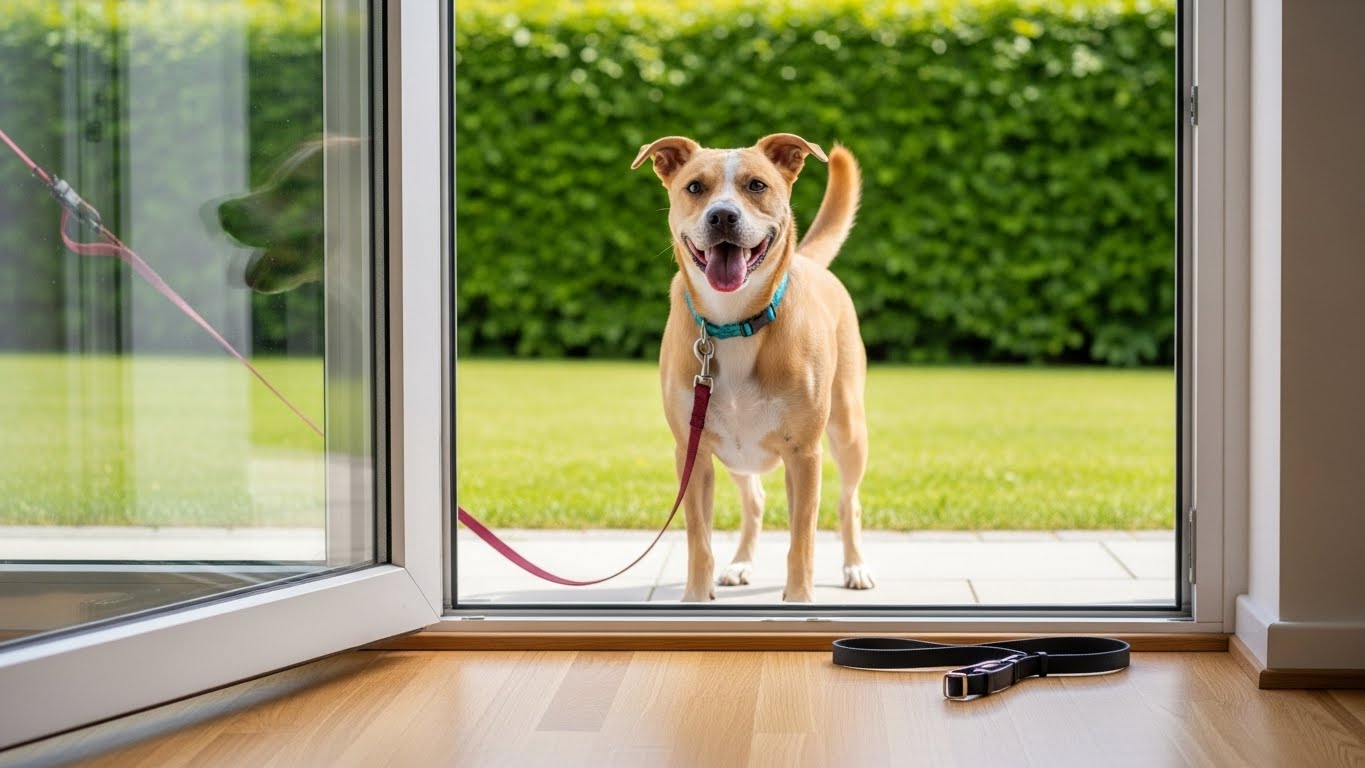
The best way to protect your floors is to prevent accidents from happening in the first place.
- Frequent Potty Breaks: Make sure your dog, especially a puppy or a senior, has plenty of opportunities to go outside.
- Rule Out Medical Issues: If accidents become a frequent problem for a previously house-trained dog, consult your vet. It could be a sign of a urinary tract infection or another medical issue.
- Thorough Cleaning: As mentioned, dogs are likely to re-mark areas that still smell like urine. Using an enzymatic cleaner is crucial to break this cycle.
- Positive Reinforcement: When your dog successfully potties outside, praise them and offer a treat. Positive reinforcement is much more effective than scolding them for an accident.
Maintain Your Pet-Friendly Wood Floors
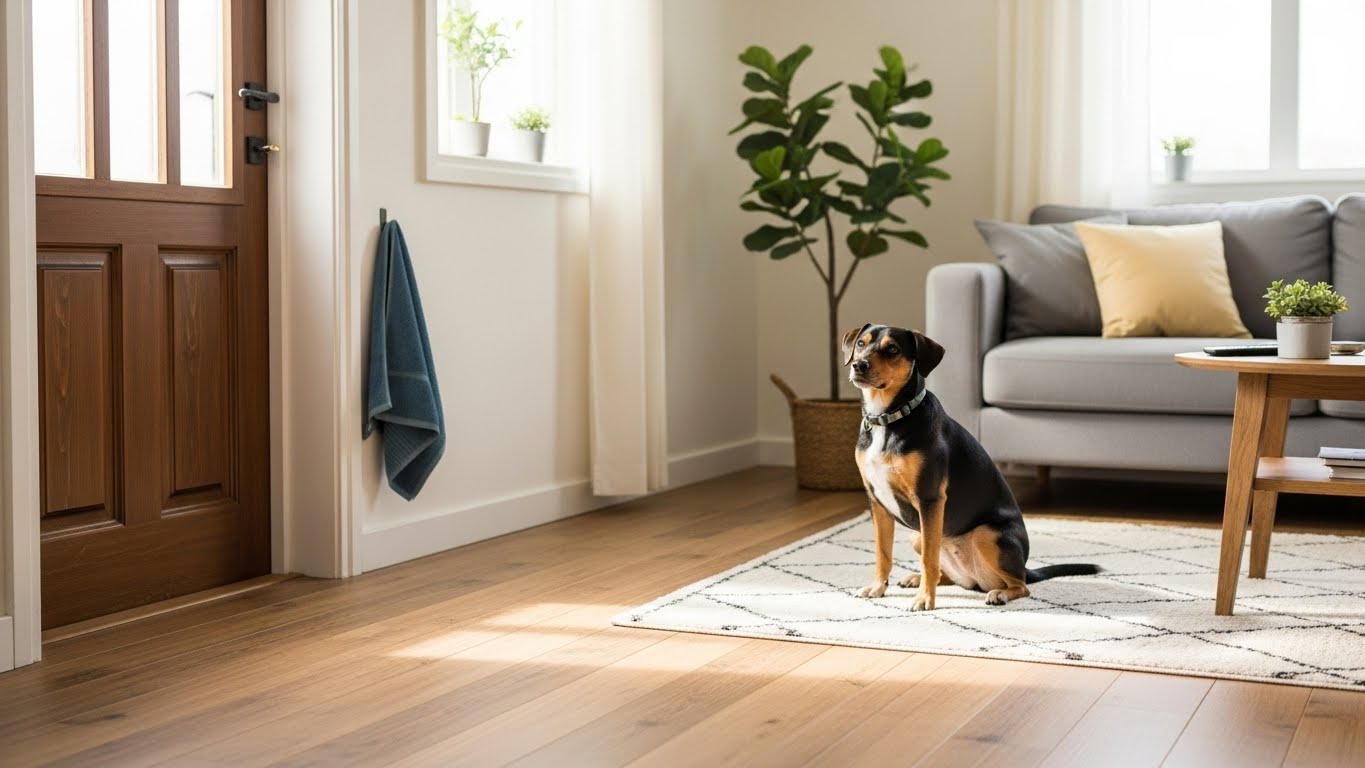
Living with pets and wood floors can be a beautiful combination with a little extra care.
- Wipe Paws: Keep a towel near the door to wipe your dog’s paws when they come inside, especially on rainy or snowy days.
- Use Rugs: Place area rugs or runners in high-traffic zones to protect the floor from scratches and potential accidents.
- Regular Cleaning: Sweep or vacuum regularly to remove pet hair and dander that can scratch the floor’s surface over time.
Accidents happen, but they don’t have to ruin your floors. With quick action, the right cleaning products, and a little patience, you can keep your wood floors looking beautiful for years to come.