Hardwood floors bring a special warmth and elegance to any home, but a stray spill or scuff mark can cause a moment of panic. Don’t worry—most stains are easier to remove than you think. With the right techniques and a little patience, you can restore your beautiful floors to their former glory. This guide will walk you through everything you need to know about how to clean stains from hardwood floors, from identifying the type of stain to preventing future mishaps.
We’ll cover the tools you need, step-by-step methods for different messes, and tips for keeping your floors looking pristine for years to come. Let’s get your floors looking spotless again.
First, Identify Your Floor’s Finish
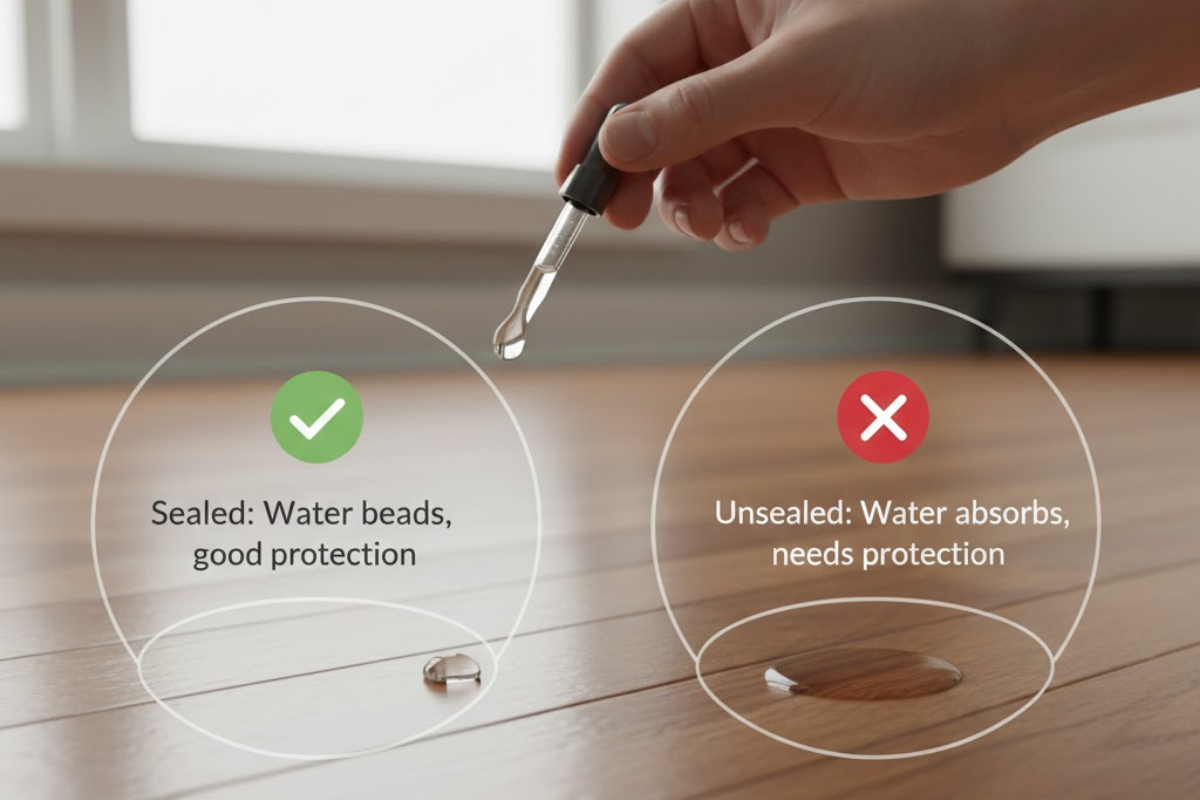
Before you tackle any stain, it’s crucial to know what kind of finish your hardwood floor has. The finish is the protective top layer, and using the wrong cleaning method can damage it. Most modern floors have a surface finish, while older homes might have penetrating-finish floors.
Here’s a simple test to find out:
- Find an inconspicuous spot on your floor, like inside a closet or under a large piece of furniture.
- Drop a single bead of water onto the wood.
- If the water bead sits on top, you have a surface finish (like polyurethane, urethane, or polyacrylic). These are more resistant to water and stains.
- If the water soaks into the wood after a few minutes, you have a penetrating finish (like oil or wax). These floors require more delicate care.
Most of the methods we’ll discuss are for surface-finished floors, which are the most common today. If you have a penetrating-finish floor, it’s best to be extra cautious and always test cleaning solutions in a hidden area first.
Essential Tools and Materials
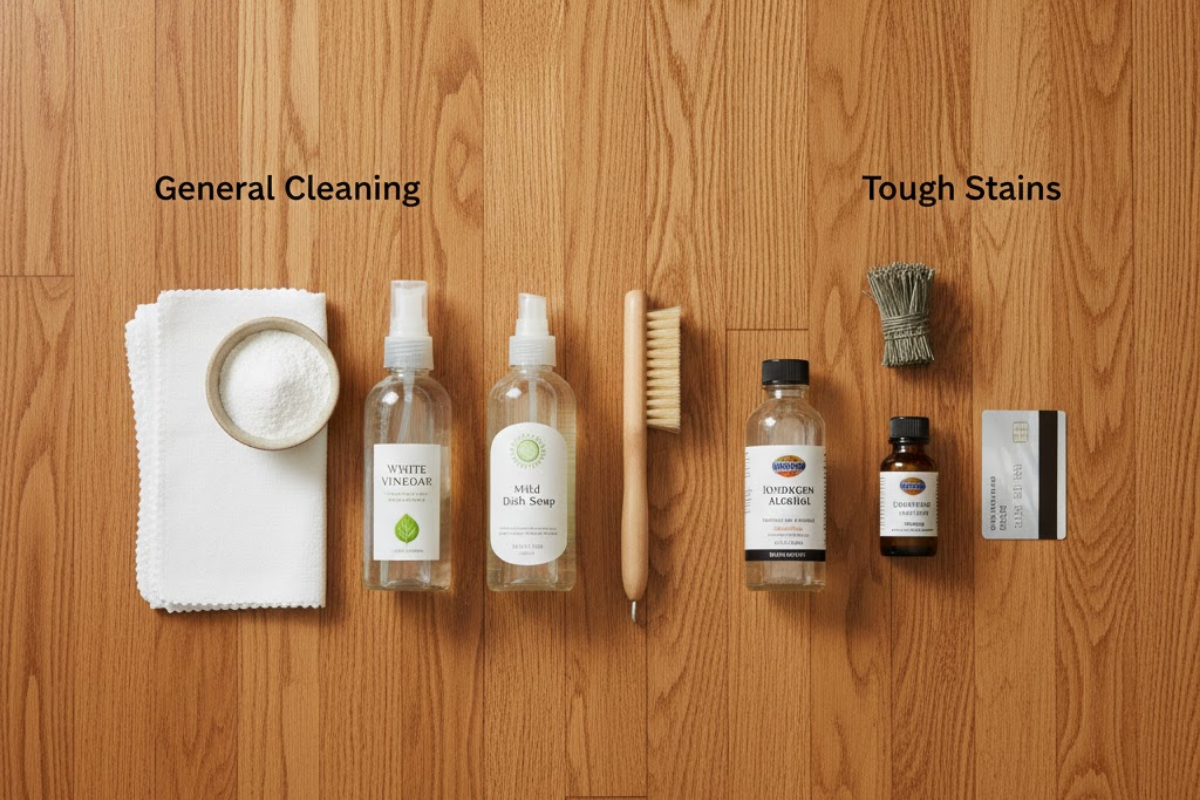
Having the right tools on hand makes the cleaning process much smoother. You probably have most of these items at home already.
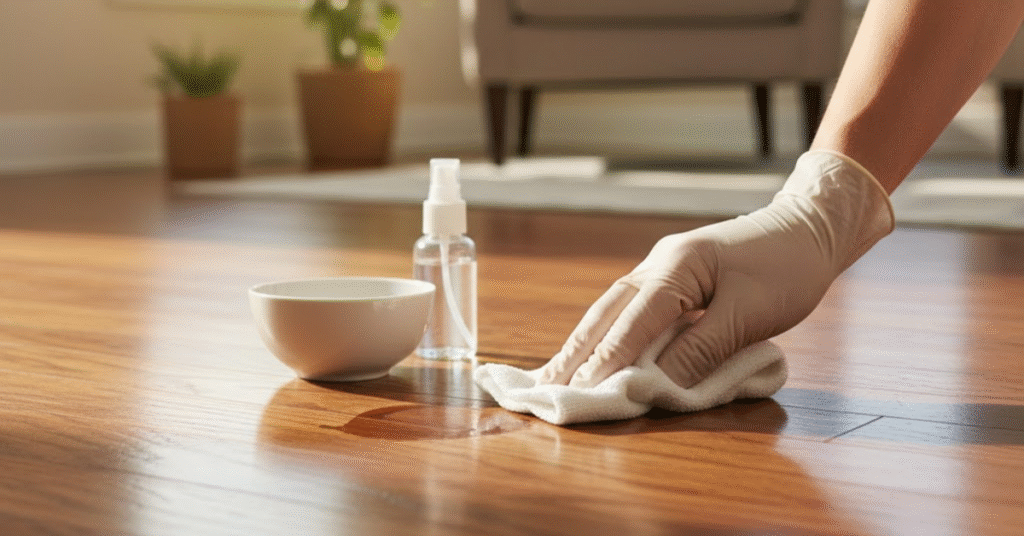
- Soft, clean cloths: Microfiber cloths are perfect because they are gentle and absorbent.
- A soft-bristle brush or old toothbrush: For gently scrubbing stubborn spots.
- Baking soda: A versatile and mild abrasive for various stains.
- White vinegar: A natural cleaning agent, but use it diluted and sparingly.
- Mild dish soap: A go-to for general cleaning.
- Hydrogen peroxide (3%): Effective for organic and pet stains.
- Rubbing alcohol: Great for ink or marker stains.
- Fine steel wool (#0000): For very specific, tough stains on certain finishes (use with extreme caution).
- A plastic scraper or old credit card: For removing gummy or waxy substances.
Step-by-Step Guide to Cleaning Common Stains
Different types of stains require different approaches. Always start with the gentlest method first and work your way up to stronger solutions if needed.
1. Water Stains and White Rings
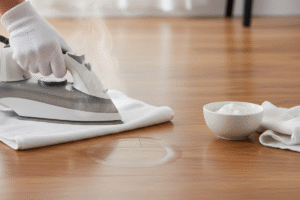
These are the most common culprits. They happen when a wet glass, spilled water, or a damp towel is left on the floor for too long. The white ring is actually moisture trapped in the finish, not the wood itself.
Method 1: The Iron and Towel Trick
- Place a clean, dry cotton cloth (an old t-shirt works well) over the stain.
- Set your iron to its lowest heat setting with NO steam.
- Briefly press the warm iron onto the cloth over the stain for a few seconds.
- Lift the iron and cloth to check your progress. Repeat until the stain disappears. The gentle heat helps the trapped moisture evaporate.
Method 2: Baking Soda Paste
- Mix a paste of baking soda and a few drops of water.
- Gently rub the paste onto the stain with a soft cloth, moving in the direction of the wood grain.
- Wipe the area clean with a damp cloth and dry it thoroughly.
2. Dark Stains (Water or Pet Urine)
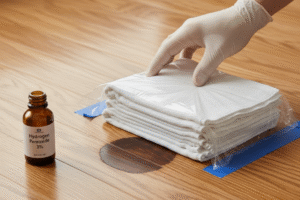
Dark stains are more serious because the moisture has likely penetrated the finish and reached the wood itself. Pet urine is particularly damaging due to its acidic nature.
Method: Hydrogen Peroxide
- Soak a clean cloth in 3% hydrogen peroxide.
- Lay the cloth directly over the dark stain.
- Let it sit for an hour or two. You can place plastic wrap over the cloth to keep it from drying out.
- Remove the cloth and check the stain. You may need to repeat this process a few times for very dark spots.
- Once the stain is gone, wipe the area with a damp cloth to remove any peroxide residue and dry it completely.
Be aware that hydrogen peroxide can lighten the wood. You may need to use a stain marker to touch up the color afterward. For severe damage, sanding and refinishing the board might be necessary.
3. Grease, Oil, or Crayon Stains
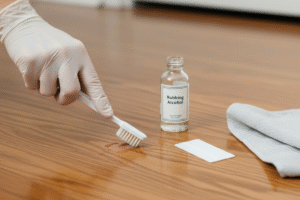
These oily marks can come from the kitchen, a child’s art project, or even some types of furniture polish.
Method: Rubbing Alcohol and a Soft Brush
- Use a plastic scraper or credit card to gently lift off any excess substance.
- Dampen a soft-bristle brush (like a toothbrush) with rubbing alcohol.
- Gently scrub the stain in a circular motion. The alcohol will help break down the grease.
- Wipe the residue away with a clean, damp cloth and dry the area.
4. Ink or Permanent Marker Stains
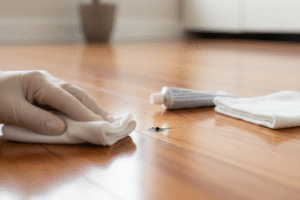
An accidental pen drop or a creative toddler can leave behind a startling ink stain.
Method 1: Rubbing Alcohol
- Dab a small amount of rubbing alcohol onto a clean cloth.
- Lightly blot the ink stain. Avoid rubbing, as it can spread the ink.
- Continue dabbing with a clean section of the cloth until the ink is lifted.
- Wipe with a damp cloth and dry.
Method 2: Toothpaste (Non-Gel)
- Apply a small amount of white, non-gel toothpaste to the stain.
- Gently rub it in with a soft cloth.
- Wipe clean and dry the floor.
5. Scuff Marks from Shoes
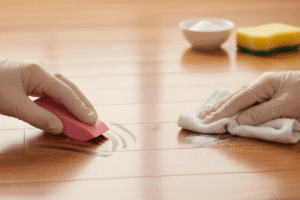
Dark scuff marks are usually just rubber residue sitting on top of the finish.
Method 1: A Pencil Eraser
- Simply use a clean pencil eraser to rub away the scuff mark.
- Wipe away any eraser shavings.
Method 2: Baking Soda
- Sprinkle a little baking soda on a damp sponge or cloth.
- Gently rub the scuff mark until it disappears.
- Wipe the area clean and dry.
Preventing Stains on Your Hardwood Floors
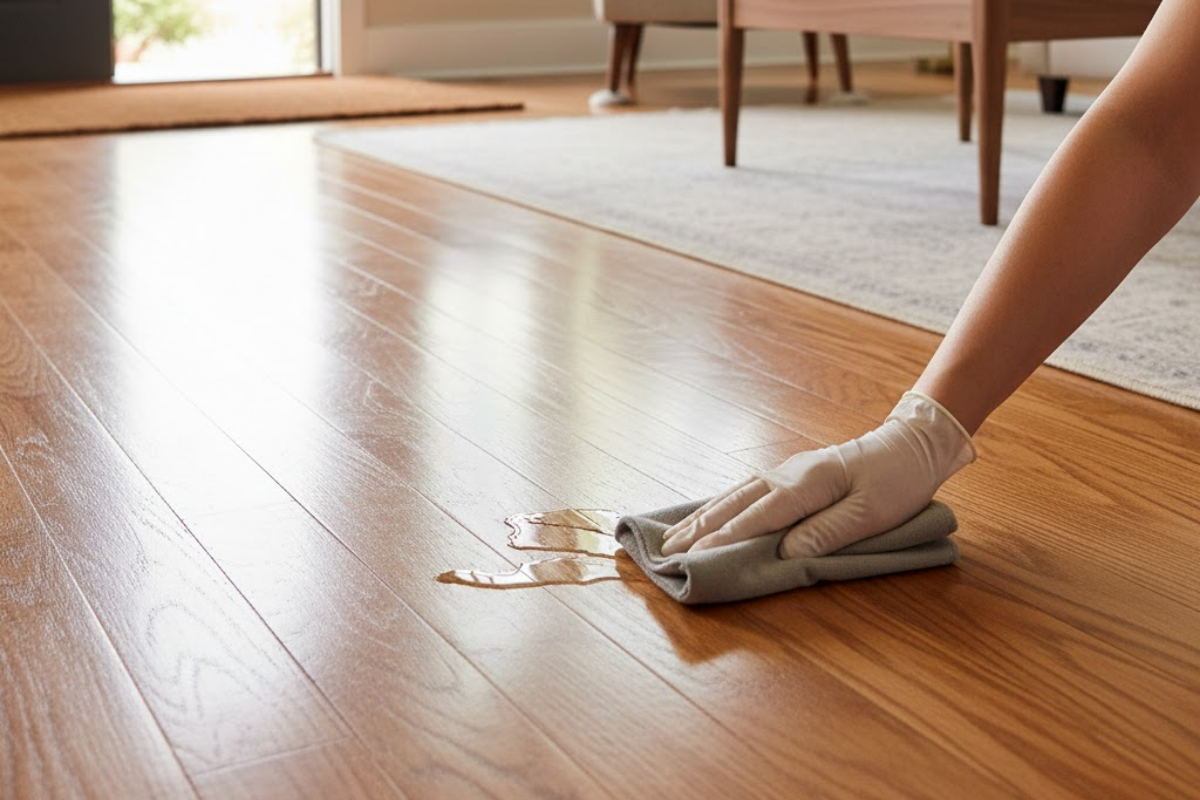
The best way to deal with stains is to prevent them from happening in the first place. A little proactive care goes a long way.
- Wipe up spills immediately: The longer a liquid sits, the higher the chance it will stain.
- Use doormats: Place mats at all entrances to catch dirt, water, and debris from shoes.
- Apply furniture pads: Put felt pads on the bottom of all furniture legs to prevent scratches and scuffs.
- Use coasters: Always place coasters under glasses and mugs.
- Clean regularly: Sweep or dust-mop your floors daily to remove abrasive dirt and grit. Clean with a pH-neutral hardwood floor cleaner weekly or as needed.
Frequently Asked Questions
Q: Can I use vinegar to clean my hardwood floors?
A: Vinegar is acidic and can dull or damage the finish over time if used improperly. While a highly diluted solution (1/4 cup of white vinegar to 1 gallon of water) can be used for occasional deep cleaning on surface-finished floors, it’s not recommended for regular use. Never use it on waxed or oiled floors.
Q: Is it safe to use a steam mop on hardwood floors?
A: Most hardwood floor manufacturers advise against using steam mops. The high heat and moisture can damage the wood and its finish, potentially voiding your warranty.
Q: What should I do if a stain won’t come out?
A: For deep, set-in stains that don’t respond to these methods, the damage may have gone through the finish and into the wood. At this point, the best solution is often to lightly sand the affected area and reapply the finish. For extensive damage, you may need to consult a professional floor refinisher.